'Obsession' made me re-evaluate ideas about desire and love
How pop-culture movies made us romanticise all-consuming love

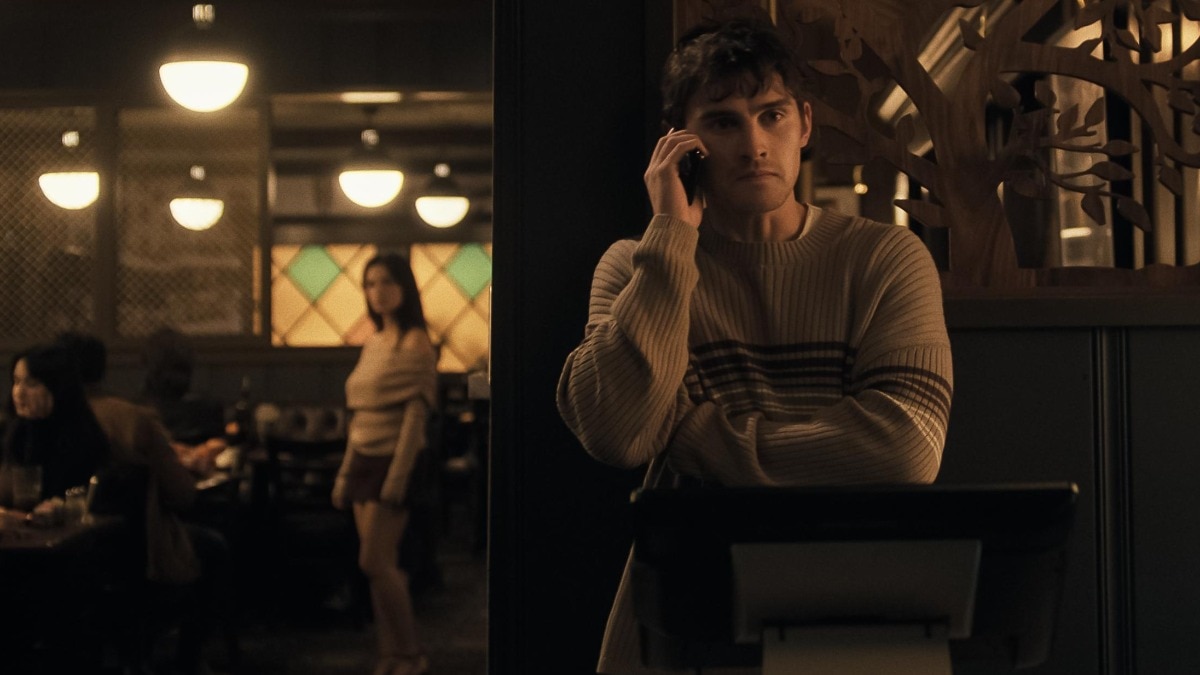
Everyone in this generation is either in a situationship, recovering from a humiliationship, or seeing someone who has made emotional unavailability feel like a completely reasonable way to exist in 2026. I have been there, I am probably still there in some capacity, and I have also never stopped wanting something that feels all-consuming, someone who has already decided you are the whole point before you have done anything particularly remarkable to deserve it. I watched Obsession and spent the entire runtime trying to understand Bear on a level I was not entirely comfortable with.
Because the thing is, all-consuming love still feels so appealing even when everything around you is telling you to want something healthier. I think we romanticise it because we are so starved of anything real that the idea of someone wanting you that completely starts to sound like the dream. And watching Obsession made me realise that Bear's wish is not actually that far from a fantasy most people in this generation have had—to be loved so thoroughly that there is no room for doubt.
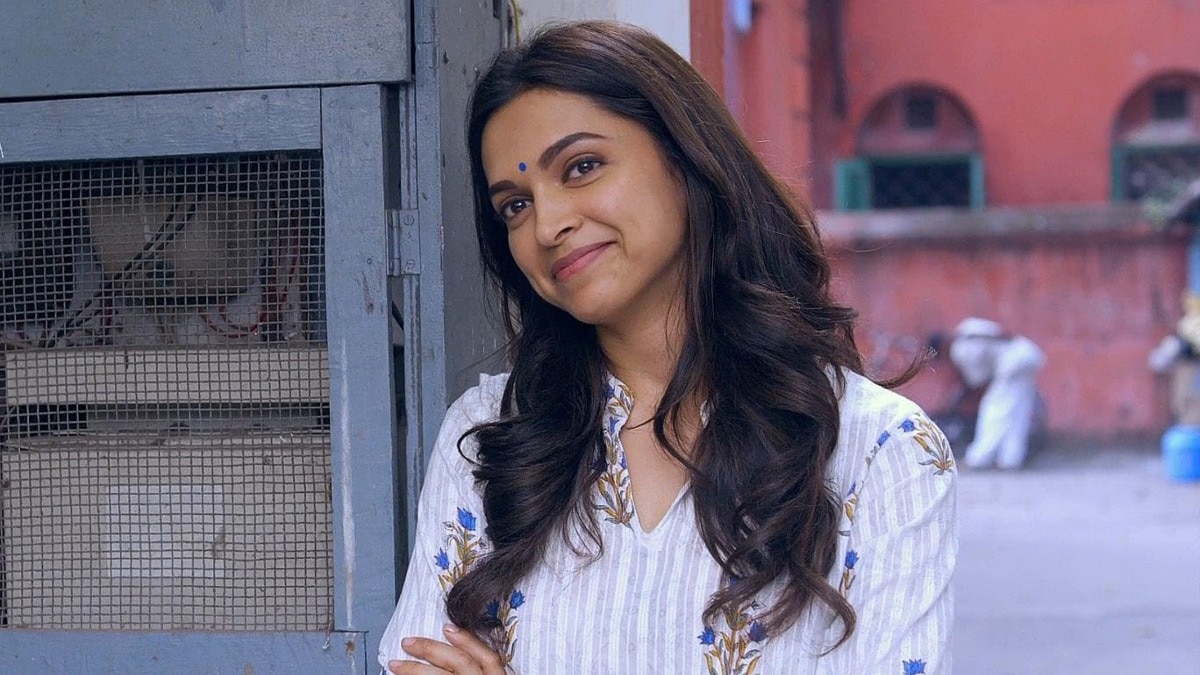
For those who haven’t watched it yet, the film follows a lonely guy with an unrequited crush on his childhood friend Nikki, who gets so desperate about being stuck in the friend zone that he makes a wish on a One Wish Willow for her to love him more than anyone in the world. The wish ends up coming true, except the Nikki that comes back is unhinged, violent, and completely consumed by him in a way that stops being flattering very quickly. And what the film is really asking, underneath all of that, is something that I think most people would rather not answer: If we already know that healthy relationships need space and independence and separate lives, why does being somebody's everything still sound so desirable?
The appeal of being chosen
After going through enough situationships, ghosting and “almost-relationships”, you stop looking for love and constantly look for proof that you matter to someone, that you are worth showing up for, that someone looked at all their options and still picked you. Sumir Nagar, a behavioural expert, said something that I have been thinking about ever since, "Being valued keeps you. Being chosen thrills you. Only one of them is safe to build a life on." And honestly, most of us have spent a long time chasing the thrill and calling it love, and I do not think that is entirely our fault.
Because when dating has spent years making you feel like you are one better option away from being left on read, actual certainty starts to feel like the most romantic thing in the world. And this is where it gets psychological, because what we are really describing is attachment, the very human need for security and belonging that gets completely destabilised when the person you want keeps running hot and cold. Nagar describes it as a cycle of warmth and then withdrawal, and says it is the most efficient way to manufacture obsession that human psychology has ever found, far more powerful than steady consistency, which the unsettled mind actually finds boring. Which means that much of what we call love is really just our nervous system responding to someone who has made us feel uncertain enough that their attention feels like a reward.
And that is exactly what Bear's wish is trying to solve, when you think about it. He does not want passion, chemistry, or even Nikki specifically; all he wants is for the uncertainty to stop. He wants to be someone's answer rather than their maybe. Nagar says, "The need to feel chosen is ancient; what is new is that apps now deliver that feeling in seconds and revoke it just as fast, and I think that has completely rewired the way this generation processes love. We have been conditioned to mistake the spike of being noticed for actually meaning something to someone, and somewhere along the way, the fantasy of all-consuming love started being about finally feeling safe."
How pop culture taught us to romanticise obsession
I remember watching Twilight for the first time and thinking Edward was the most romantic thing I had ever seen, which tells you everything about what I had been taught to want from love at that point. From watching her sleep to following her around, and the "I have been alive for a hundred years, and you are the only thing that has ever mattered." All of it felt like devotion rather than what it actually was, which is a grown man treating a teenage girl like something he owned. And Twilight is an easy target now, everyone knows that, but the thing is, it’s not the only film that has made us feel this way. The Notebook did the same thing with Noah threatening to fall off a ferris wheel until Allie agreed to go out with him, 500 Days of Summer built an entire film around a man who loved a version of a woman that had nothing to do with who she actually was, and You came along years later and just made the same guy a serial killer to see if we would still find him charming. We did. That is the part I feel we should be the most worried about.
The thing is, if you look at these stories, you’ll eventually realise that they aren’t really about love. Most of them are about men who decided that the intensity of their feelings was more important than what the woman in front of them actually wanted. And we grew up watching all of it and absorbing it completely, because nobody told us we were supposed to be critical about it. "We don't actually hold two desires. We hold one desire and one defence," says Nagar. "The desire is to be witnessed, to have one person who registers that we exist, fully, when the rest of the world is busy and substitutable."
And I think that is exactly what these films were feeding, even when we were watching them just for fun. I understand that nobody really sits down to watch Twilight thinking they are going to walk away with a blueprint for what love should look like, but somehow that is exactly what happened. The possessiveness became romantic, the obsession became passion, the inability to let go became devotion, and we absorbed all of it so gradually that by the time we were old enough to question it, we had already figured out what we were looking for.
Nagar says, "Total devotion isn't the highest form of love. It is the lowest-resolution version of it. A love that hasn't yet noticed there's another whole person on the other side of it," which is the thing none of these films ever bothered to show us, the other side of. "Pop culture sells that story back to us not because it's right about love but because it's right about longing, and longing is easier to monetise," Sumir says. And we kept watching. And we kept wanting it anyway.
What Obsession really says about the way we date now
I think almost every woman who has watched Obsession realises that they have met this guy. Bear starts as the “nice guy”, someone who is shy, lonely, easy to feel bad for, and women can point this out easily because most of us have been on the receiving end of it at some point. If you're not aware of the nice guy trope, it basically refers to a guy who is perfectly pleasant right up until he decides that all that pleasantness was something you owed him for. And the film dials it up. Because the Nikki that comes back after the wish is just completely his. She has no life outside of him, no version of herself that exists when he is not in the room, and watching that is genuinely uncomfortable because most women have felt a smaller version of it at some point. I mean, most of us have rewritten texts thrice because you did not want to come across as too much or “too clingy.” We stopped bringing up things that bothered us because it was easier. The version of yourself you ended up changing for someone who never asked you to, but somehow made you feel like you should.
And I think that is the question Obsession is really leaving you with. Now that you know all of this, now that you have been in enough situationships and done enough reflecting and understand what healthy love is supposed to look like, do you still want the all-consuming version? Honestly, I think most of us do. We are a generation that has been so thoroughly let down by modern dating that wanting someone to just choose you, completely and without having to wonder where you stand, does not feel delusional. It just feels human. The difference, maybe, is learning to recognise when wanting starts to become someone else's problem. And hoping you figure that out before someone makes a wish.
Lead Image: IMDb
Also Read: From 'Obsession' to indie fashion labels, small is winning big
Also Read: Into the world of the ‘perfect vacation couple’—and what makes it a myth